One thing about fashion? It has always had a short memory.
Every few years, it discovers something it previously ignored, declares it ‘revolutionary’, builds an entire marketing strategy around it, and then silently abandons it the moment the cultural winds shift. Inclusivity, it seems, is the latest casualty of this cycle, and has been for the last few years or so.
For the briefest of moments (and I mean super brief), it felt as though fashion was finally beginning to understand that women come in different shapes and sizes. Extended sizing within mainstream brands became less of a rarity. More diverse bodies appeared in campaigns. Brands spoke confidently about representation and accessibility, eager to position themselves on the right side of progress.
And then, somewhere along the way as always, the mood changed.
Perhaps it was inevitable. We are, after all, living through what many have called the ‘Ozempic’ era; a period in which thinness has once again re-emerged as the dominant aspiration. Celebrity transformations are treated like public spectacles (take Ariana Grande at the moment). Weight loss is framed as an alleged self-improvement. Bodies have become before and after projects once more.
And fashion, ever eager to chase the prevailing aesthetic, appears to be responding accordingly. The runways have become smaller and the campaigns have become narrower. The stylish plus size options that were once slowly becoming more accessible have dwindled. It’s almost as though the industry looked at a cultural obsession with shrinking bodies and concluded that larger people no longer needed clothes.
Which is a fascinating business strategy, given that they very much still exist.
The reality is that the average UK woman wears approximately a size 16. Not a size 6. Not the sample size hanging neatly on a rail backstage at fashion week. A size 16. Yet many brands continue to treat extended sizing as a niche concern, despite the UK plus-size fashion market being worth hundreds of millions of pounds. We are constantly told that the demand isn’t there, despite consumers repeatedly demonstrating otherwise. It is a little like standing in the rain and insisting there are no clouds.
At some point, we have to stop accepting the excuses, because they no longer make sense.
Fashion has somehow mastered the art of producing twenty-seven micro-trends a week. It can convince us that a jelly shoe is a luxury item. It can resurrect low-rise jeans every decade despite overwhelming evidence that nobody, and I mean NOBODY…asked for them. It can manufacture an entirely new aesthetic before lunch.
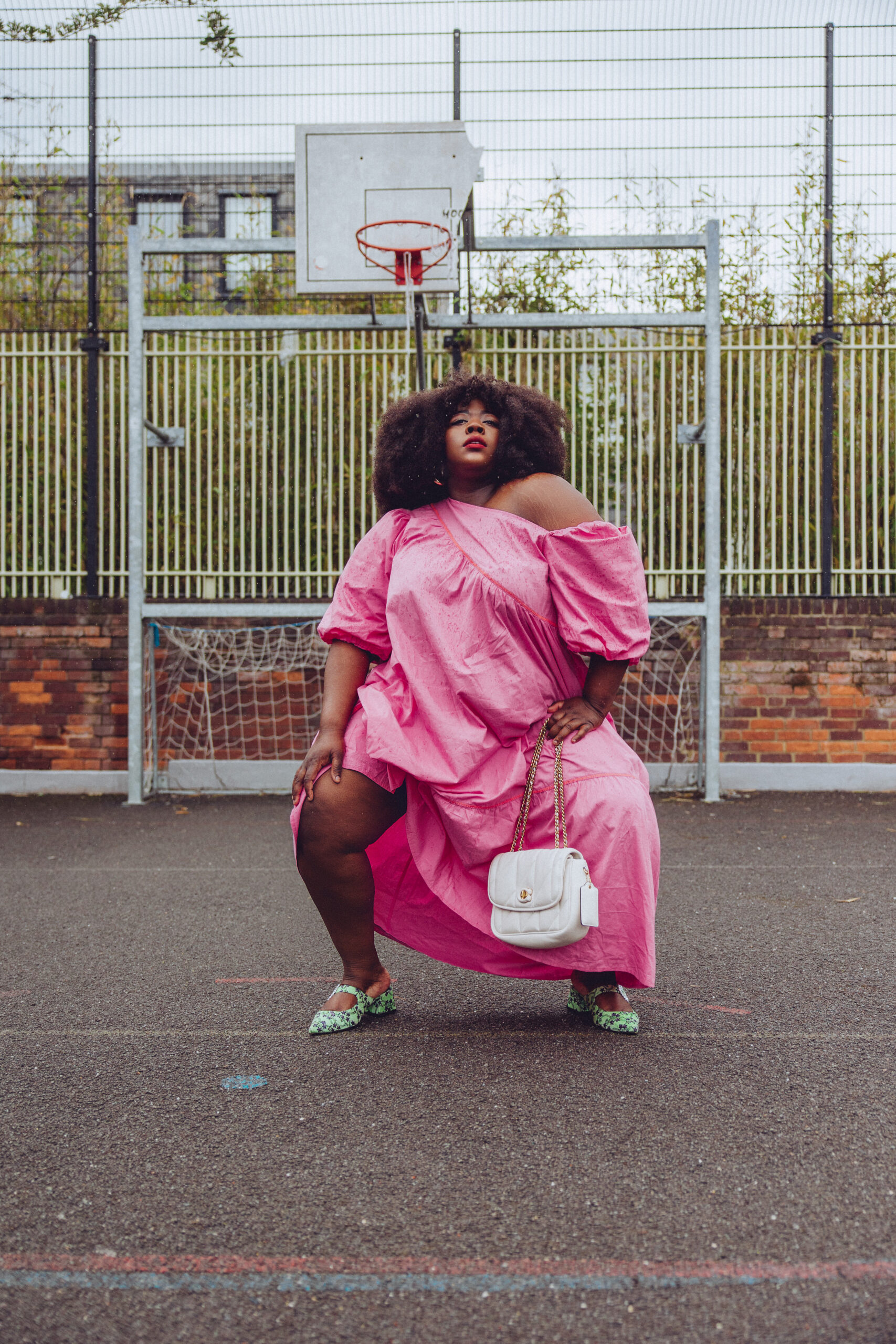
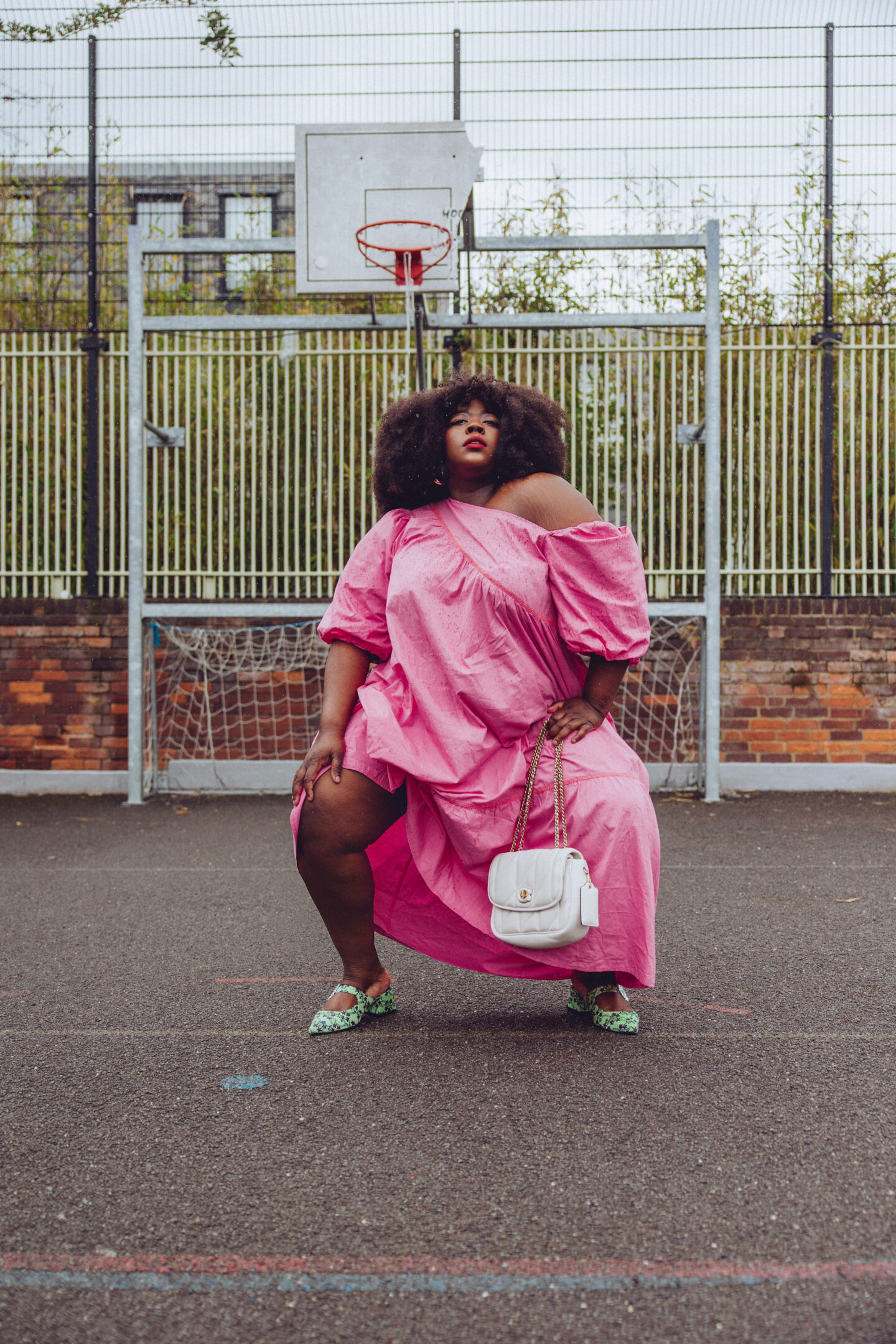
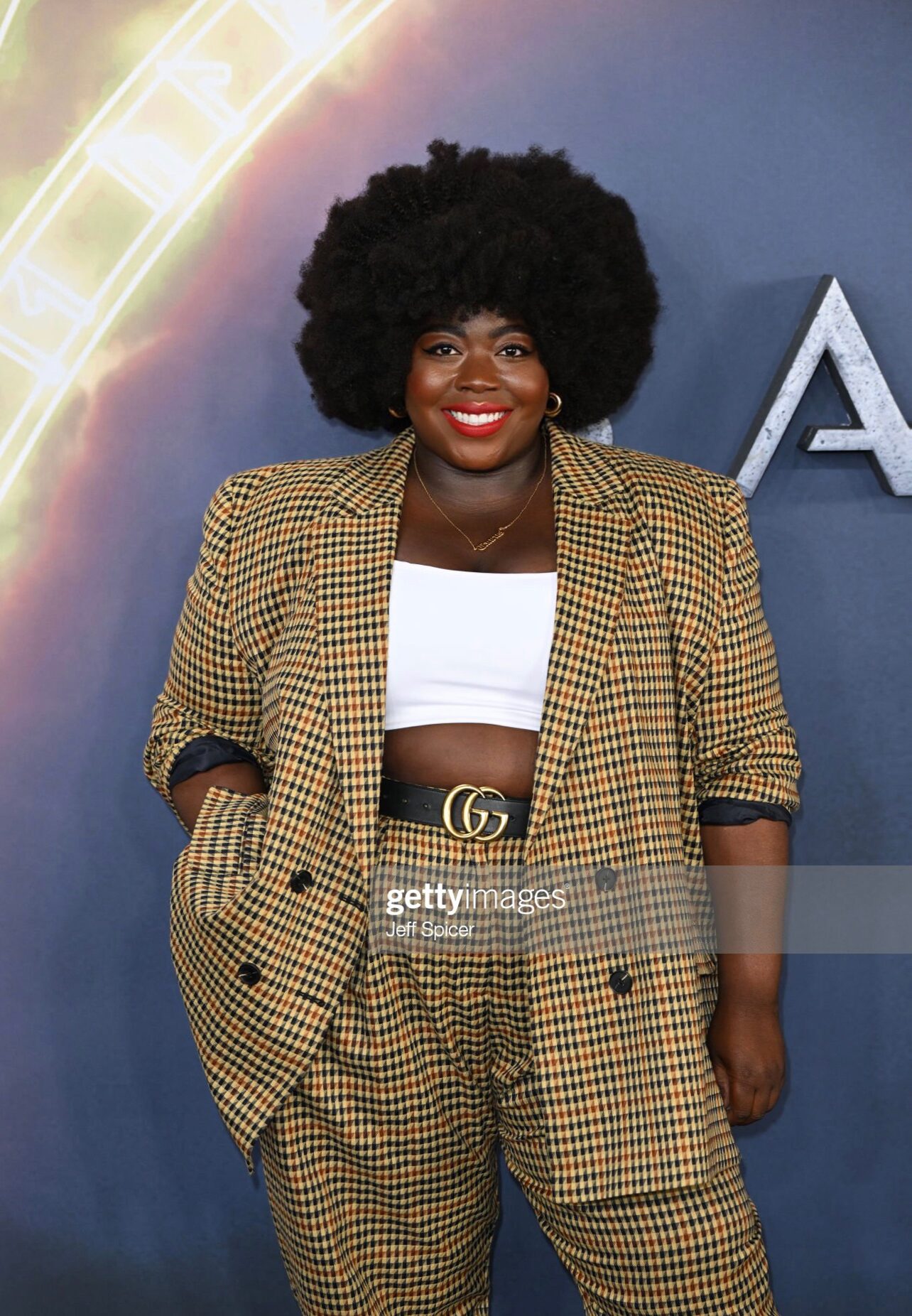
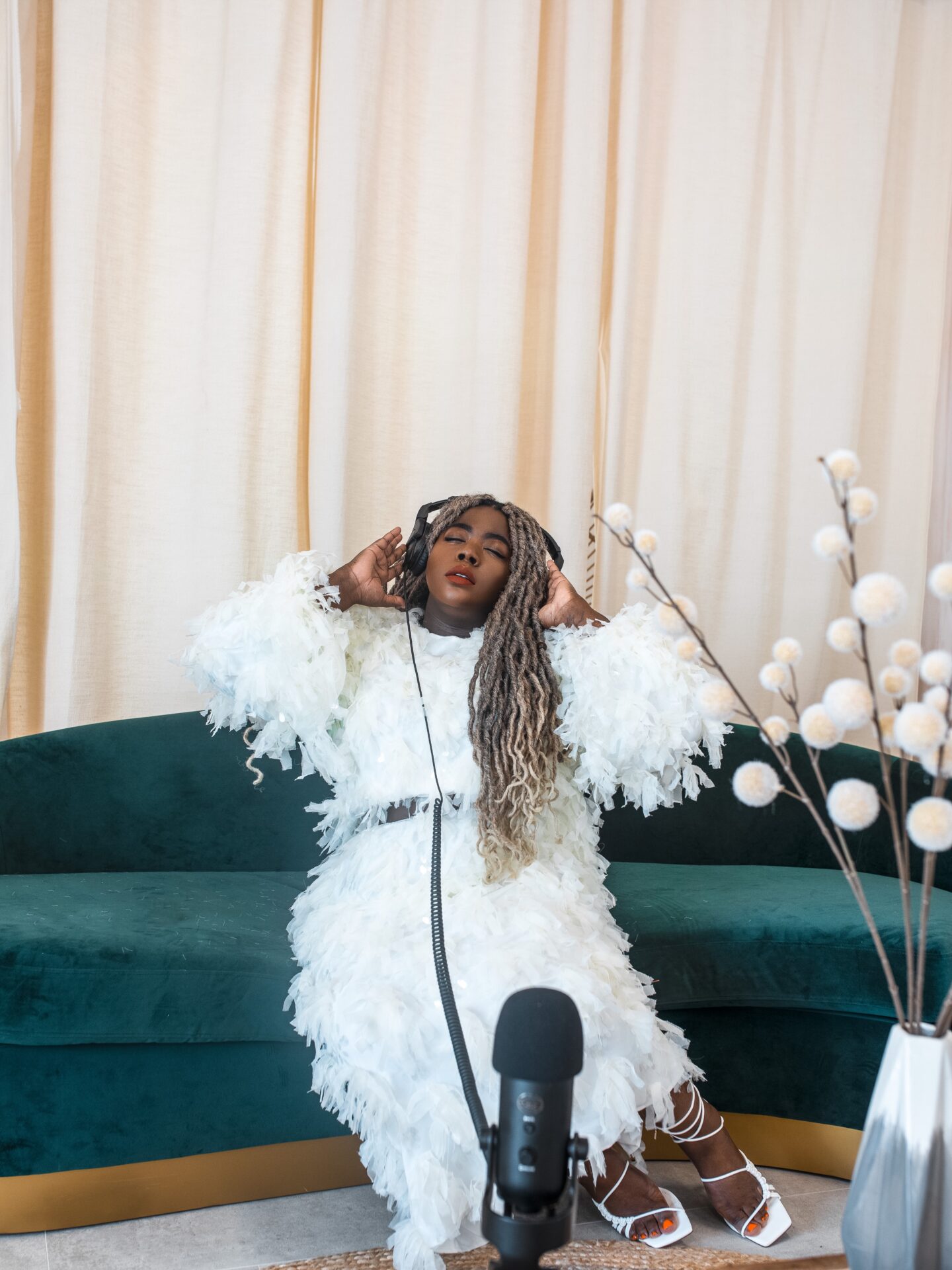
But extending a piece of clothing beyond a size 20 is apparently that’s where brands draw the line. I’ve spent much of my career writing and speaking about body image and the importance of size inclusivity because, for a long time, it wasn’t an abstract issue for me. It was my reality. When I was a size 24, developing a personal sense of style often required the creativity of a wartime engineer. If I saw something I loved, there was a good chance it wouldn’t come in my size. So I learned to adapt. I became an expert at layering. I mastered the art of strategic tailoring. I hunted down alternatives. I transformed limitations into opportunities, and to be fair, I looked sensational. Check the photos littered throughout this post as receipts!
Some of the most stylish people I know are fat, because they have spent years cultivating ingenuity in an industry that rarely makes things easy for them. But there is a difference between creativity and having to do things due to necessity.
At the end of the day, one’s style should be an expression of individuality, not a survival skill.
Plus-size consumers should not have to possess the resourcefulness of a fashion editor, the determination of an archaeologist and the patience of a saint simply to find a pair of trousers.
They should be able to participate in fashion without having to work twice as hard for the privilege.
Today, I exist in a smaller fat body, wearing a size 18. Yet I still find myself asking brands the same questions I asked years ago.
Will you extend your sizing?
Who exactly is this collection for?
Why does your campaign feature diverse bodies when your clothes do not?
Because the issue was never just about me. If our commitment to inclusivity disappears the moment we personally benefit from exclusion, then it was never really a commitment at all.
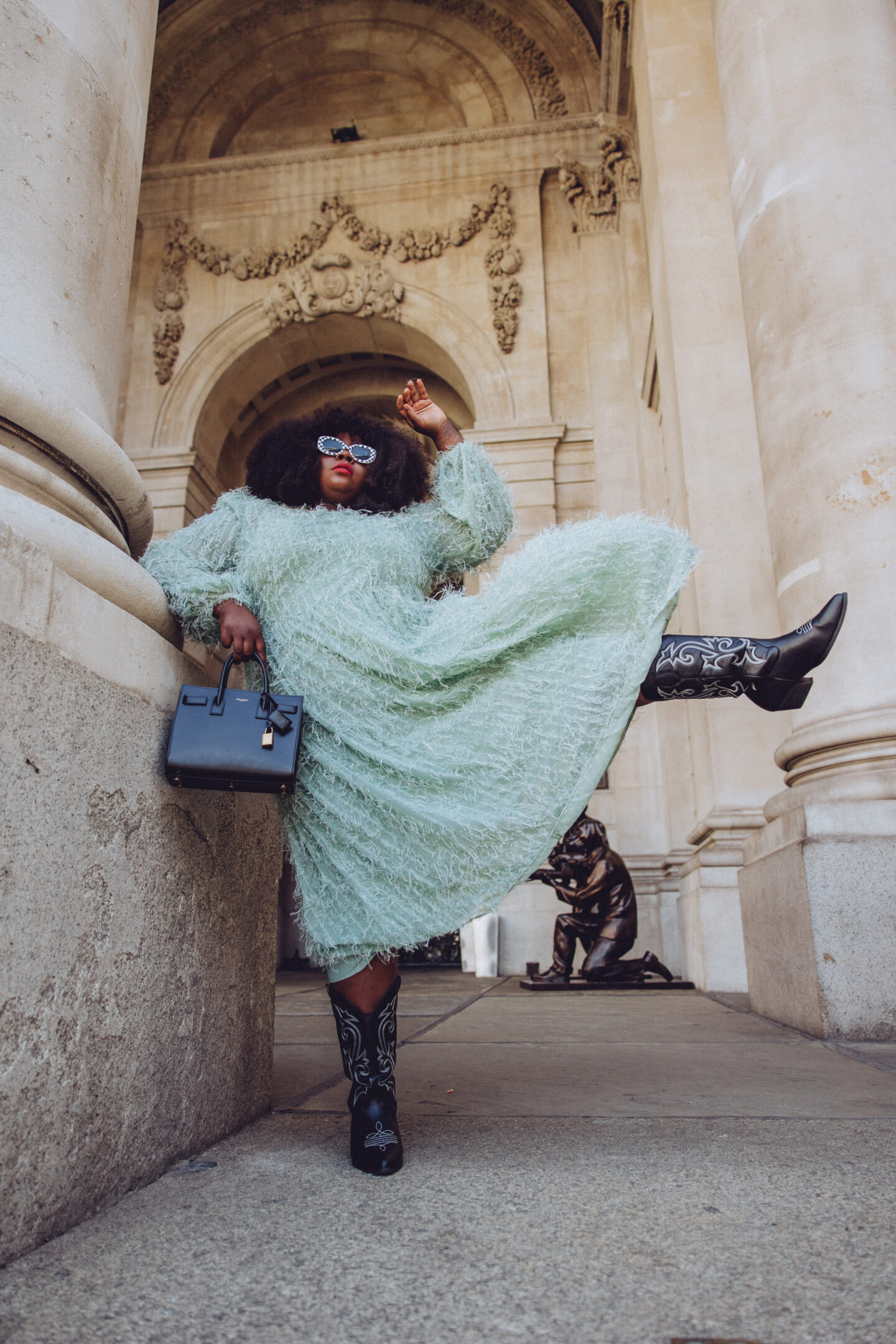
One of the things that troubles me most about conversations surrounding size inclusivity is how often the responsibility falls upon those already carrying the burden. The people being excluded are expected to advocate for themselves and the people facing discrimination are always expected to educate others.
The people receiving abuse are expected to remain calm, articulate and endlessly patient while explaining why they deserve the same access as everyone else. It is an exhausting arrangement.
And one that conveniently absolves everyone else of responsibility. The truth is that allyship matters precisely because privilege influences who gets heard in the rooms.
Whether we like it or not, people in smaller bodies are often granted a level of credibility that fat people are not. Their observations are perceived as objective and criticisms are viewed as reasonable. Their concerns are less likely to be dismissed as self-serving.
That is why it is so important for those with platforms, visibility and access to use their voices; not to speak over marginalised people, but to stand beside them.
Few people embody this persistence more than content creators such as Samyra Miller, who has built a significant following by documenting the realities of shopping while fat. Her content often exposes the gap between what brands say and what they actually do. A company may celebrate inclusivity in a campaign, but if the clothing only extends to a size 18, who exactly is that inclusivity for?
What should be a straightforward consumer conversation somehow becomes controversial, and perhaps the most depressing aspect of that controversy is the abuse that follows.
The fact that a woman can receive torrents of fatphobic harassment simply for asking why she cannot access the same products as everyone else tells us far more about society than it does about her.
What Samyra and countless other creators are doing is not radical; we’re literally just asking questions and the fact those questions provoke such hostility suggests they are the right ones.
Fashion, at its best, is a language.
It tells us who we are. How we move through the world. What makes us feel powerful, joyful, playful, romantic or rebellious. Clothing is not just random fabric (well, with some brands it is, lmao). It is participation, and participation requires visibility.
Consumers deserve to see themselves reflected in campaigns and ecommerce imagery not because representation is a fashionable buzzword, but because it serves a practical purpose. People want and need to know how clothes will fit their bodies.
They want to see what a dress looks like on someone with hips like theirs. They want to know how a blazer sits across a fuller bust. They want evidence that a garment was designed with bodies like theirs in mind. The fact that a woman can receive torrents of fatphobic harassment simply for asking why she cannot access the same products as everyone else tells us far more about society than it does about her.
What Samyra and countless other creators are doing is not radical.
They are asking questions.
The fact those questions provoke such hostility suggests they are the right ones.
Fashion, at its best, is a language.
It tells us who we are. How we move through the world. What makes us feel powerful, joyful, playful, romantic or rebellious.
Clothing is not simply fabric. It is participation.
And participation requires visibility.
Consumers deserve to see themselves reflected in campaigns and ecommerce imagery not because representation is a fashionable buzzword, but because it serves a practical purpose.
People want to know how clothes will fit their bodies.
They want to see what a dress looks like on someone with hips like theirs. They want to know how a blazer sits across a fuller bust. They want evidence that a garment was designed with bodies like theirs in mind. If brands refuse to show a broad range of bodies, how are consumers supposed to make informed choices?
More importantly, what message does that absence send?
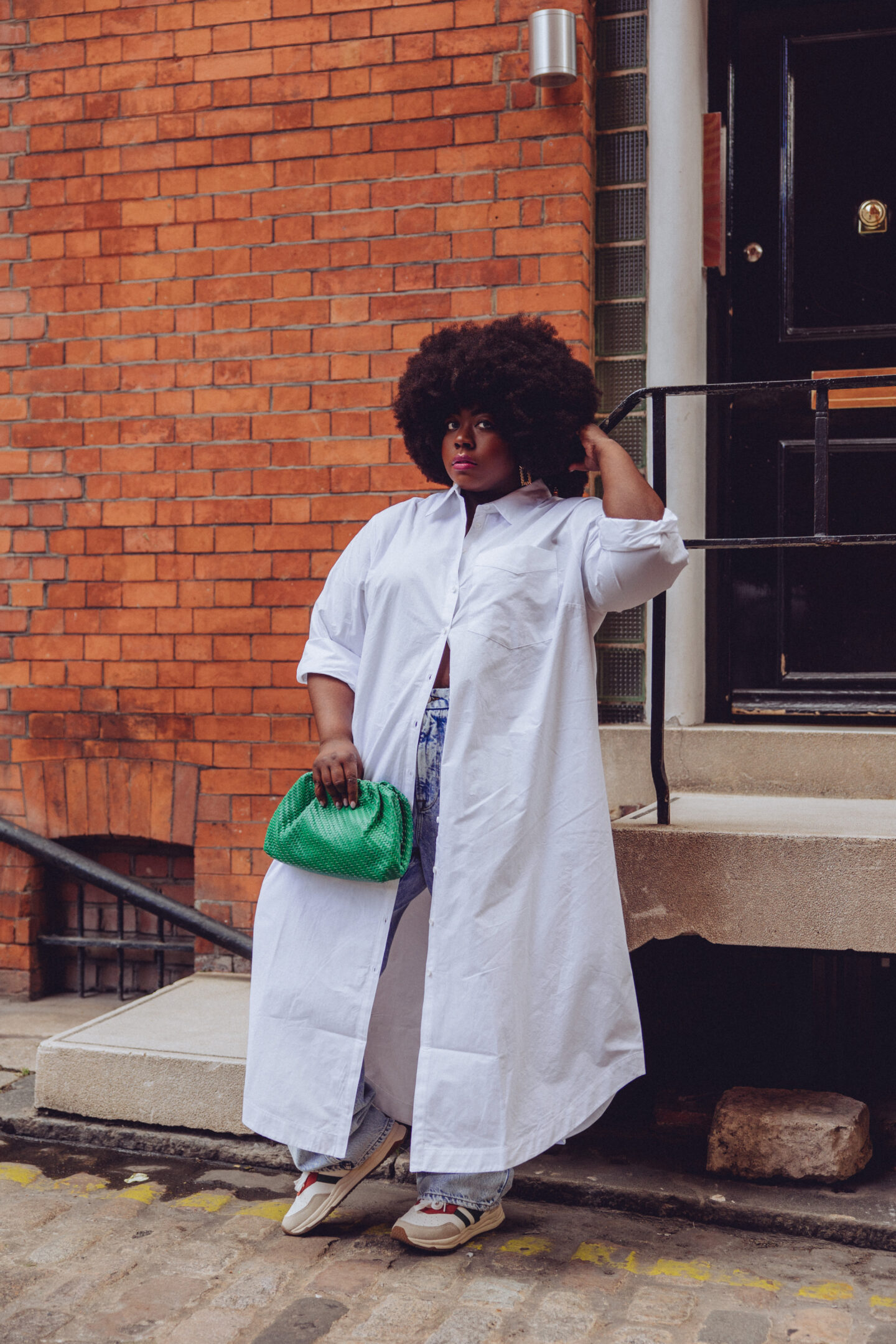
When certain bodies are repeatedly erased from marketing, campaigns and collections, the implication is clear: these are not the bodies we imagined wearing our clothes. The future of fashion will not be built by brands that chase shrinking beauty standards in the hope of remaining culturally relevant. Trends have always been temporary. Humanity is not.
The brands that endure will be the ones that recognise a simple truth: inclusivity is not a trend forecast, a seasonal campaign or a box to be ticked during periods of favourable public opinion; It is a reflection of the world as it actually exists. A world filled with bodies of every shape, size and proportion.
And until fashion fully embraces that reality, its claims of progress will remain exactly what so many consumers have long suspected they are:
A beautiful illusion, impeccably styled and several sizes too small.
June 14, 2026
Steph
Fashion’s Plus-Size Backslide in the Ozempic Era.